3 CLIENTS AT A TIME · 2 of 3 slots open this quarter Book a free call
To consumer brands shipping in-house

Make DTC fulfillment scalable

For CPG founders/operators who need to fix their packing/shipping processes that waste time and money.

Book a free call
Did you know?

This is probably happening in your warehouse right now.

Frustrated warehouse worker dealing with a fulfillment error
Data errors & mix-ups

Duplicates, wrong addresses, fraud slipping through, bad picking lists.

Packing mistakes

Wrong item, wrong box, wrong size, inserts and freebies handled inconsistently.

Wasted time & motion

Bad shelf positions, wasted walking, too many SKUs, no prep before the day starts.

Costly aftermath

Carrier handoff issues, returns, refunds quietly eating your margin.

Lost trust & motivation

A team that's stopped believing the process works, and stopped trying to fix it.

Inaccurate inventory

Stock counts that don't match what's actually on the shelf.

The fix

What you need in place so money isn't leaking.

Warehouse team collaborating with a clear, organized process
Order verification process

A documented way to handle changes and confirm details before anything ships.

Built-in accuracy checks

Pick and pack steps that catch mistakes before they leave the building.

Repeatable batch processing

Similar tasks done together, in the right sequence, so everyone knows what's next and nobody stands around waiting.

Auditable record-keeping

Simple enough that someone can actually check it and catch errors.

Real inventory tracking

Stock counted and recorded as it moves, so the system matches what's actually on the shelf.

A team that trusts the system

Confidence in the process, because the process actually works.

Rule of thumb: one person should fulfill 200–250 orders in a 5–6 hour shift. If you're not close, that's leak #1.

Why me

Who I am.

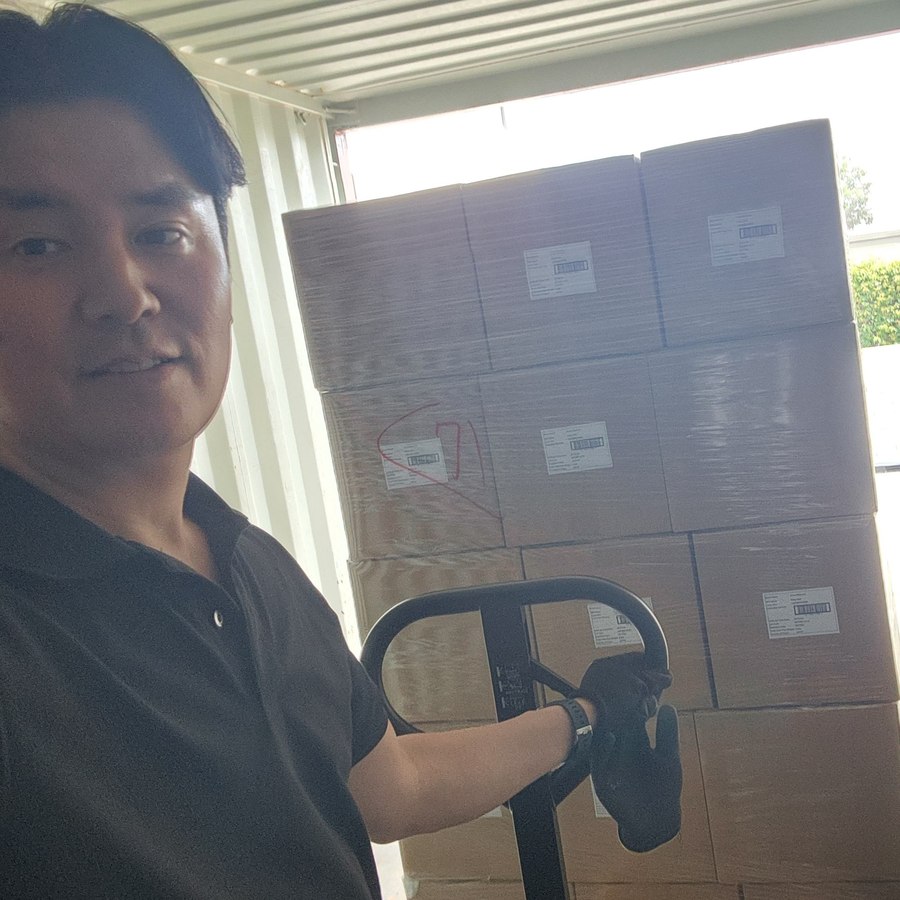
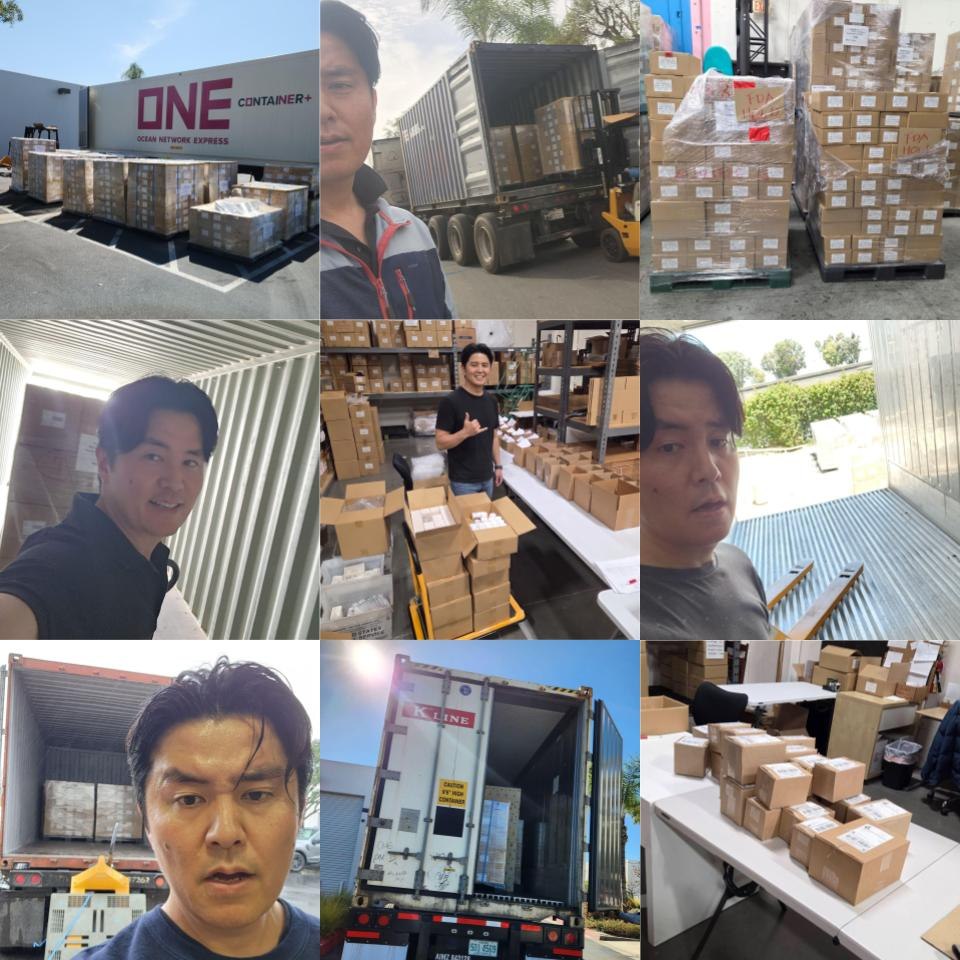
Hiroo Kato moving pallets in a shipping container with a pallet jack Collage of Hiroo Kato managing import, container loading, and warehouse operations
Hiroo Kato
  • Ran an import business bringing Japanese dietary supplements into the U.S., sold through distributors
  • Built a supplements brand from scratch, sold direct to consumer on Amazon, Shopify, eBay, Instagram, and TikTok
  • Managed subscription programs and refined go-to-market strategy through data, not guesswork
  • Built the warehouse fulfillment process, the data pipeline into accounting, and customer service protocols from the ground up
  • Connected every division, warehouse, accounting, marketing, support, to the same numbers
What scaling actually requires: structure. A defined process for fulfillment, data entry, customer service, inventory, whatever the function. Volume doesn't just add to your workload, it amplifies every mistake and every loss already sitting in the system. I've built that structure before, from zero, under real volume. That's what I bring to yours.
Results achieved
67%
Reduction in warehouse overhead
900%
Increase in fulfillment throughput
AI-Assisted
Error detection built into daily workflow
4 Divisions
Inter-division communication protocol established
What I'll do

What the audit actually surfaces.

Your numbers
  • Orders fulfilled per day and per month
  • Real error rates, not guesses
  • True cost per order
Your process
  • Full flow: order in to box shipped
  • Where mistakes actually happen
  • Tech and policies in real use
Your blockers
  • What's slowing the floor down
  • What's inviting mistakes
  • What's demotivating your team

Plus an honest verdict: stay in-house or move to a 3PL. I sell neither.

After the audit

What changes once the leaks are fixed.

Money savedFewer mistakes and reships, lower cost per order.
Trust restoredYour team trusts the process again, and so do you.
Massive speedupMore orders out the door with the same headcount.
Reduced errorsFewer wrong-item, wrong-box, wrong-address mistakes.
Better use of spaceA layout built for how you actually ship today.
Better communicationWarehouse, accounting, marketing, and support, finally talking.
How it works

Four steps, start to finish.

A simple path from a first conversation to a long-term outside partner watching your operation.

1

Initial call (30 min) free

Talk to Hiroo directly. You get real advice, and together you decide if a full audit makes sense for your business.

2

On-site audit optional

Hiroo visits your facility in person and assesses exactly where your packing and shipping process is breaking down.

3

On-site work (on retainer) optional

Hiroo leads or supports the work of fixing what the audit found, alongside your team until the new process sticks.

4

Ongoing advisory optional

Hiroo stays on as an outside advisor, checking in as needed to keep tabs on the operation long-term.

Common questions

FAQ

What actually happens?

I spend a week on your floor. No theory, no slide deck.

Then you get a short written report: what's leaking, what it costs, what to fix first.

What do I walk away with?

A fix list, ranked by dollar impact.

An honest answer on in-house vs. 3PL.

If you hire me to run the fixes after, the audit fee is credited against that work.

Is this right for my business?

Roughly $3M or more a year, shipped through your own warehouse, with a team doing the work.

Smaller than that? Book the call anyway. I'll tell you honestly if it's not worth your money yet.

How much does it cost?

One fixed price. No hourly billing. You'll get the number on the call.

If you've never once wondered what a mis-shipped order actually costs you, this isn't for you.

If you have, I can probably help.

Do you sign an NDA?

Yes. Your numbers, your process, your team, none of it leaves this engagement.

What do you need from us?

Floor access for a week, your order and inventory numbers, and time with whoever actually does the shipping.

Messy records are fine. That's usually the first finding.

How much of my time will it take up?

Most of it lands in the first day or two: showing me how the operation runs, walking me through your systems and tracking software, and introducing me to the floor.

After that, I'm mostly observing and asking questions as I go.

How much of my workers' time will it take up?

Some, especially early on. I need view-only access to the interfaces they use, under NDA, and time with a few people to understand how the work actually happens day to day.

Once I've got the picture, I fade into the background.

Will this disrupt my team's work?

Barely. I'm mostly watching how things run and asking short questions.

This isn't a performance review of your people. I say that to your team on day one.

How will the workers not feel threatened?

I tell them directly why I'm there: to understand their frustrations and find ways to make their job easier, not to grade them.

The first part of my time on-site is just to understand the process, gather information, and see the goals through their eyes. Nobody's being evaluated.

How do you make sure the workers don't resist the audit?

By listening first. Floor workers usually know exactly where the problems are, often better than management does, so my stance going in is to learn their process, not question it.

People don't resist being asked how to make their own job easier.

Will they feel like their work is being questioned?

No, because it isn't. I'm not there to tell anyone they're doing it wrong.

If I come back later to help implement fixes, the approach is the same: figure out what works with the people already doing the job, not hand down instructions from outside.

Are you going to try to sell us a 3PL, or software?

No. I don't sell either. That's the point.

The verdict you get is based on your numbers, not a commission.

What if we disagree with what you find?

Every finding comes with the math behind it. If you see it differently, we talk it through.

Nothing goes in the report I can't defend.

Do you work with brands whose HQ is in Japan?

Yes, natively. I'm bilingual and I've spent years reporting U.S. operations to a Japanese head office, in both language and in how the findings get framed.

How long does the whole thing take?

The audit itself is about a week on-site, then a few days to write it up.

If you bring me on for the retainer after, that's typically 2 to 3 months.

Do you take every client who calls?

No. I run three clients at a time. If I'm full, I'll tell you honestly and give you a date.

What if the audit doesn't find much?

Then you get proof, in writing, that your operation is running well. That's rare, and it's worth knowing either way.

Do we have to commit to the retainer after the audit?

No. The audit stands on its own. If you want me to run the fixes, that's a separate decision, made after you've seen the report.

Can you do this remotely instead of on-site?

No. The floor is where the real answers are. A phone call can't see a mis-slotted shelf or a bottleneck at the pack station.